【LINGOOD】New Energy Materials | From Lithium to Sodium: Advancing Integrated Material Production Line Solutions
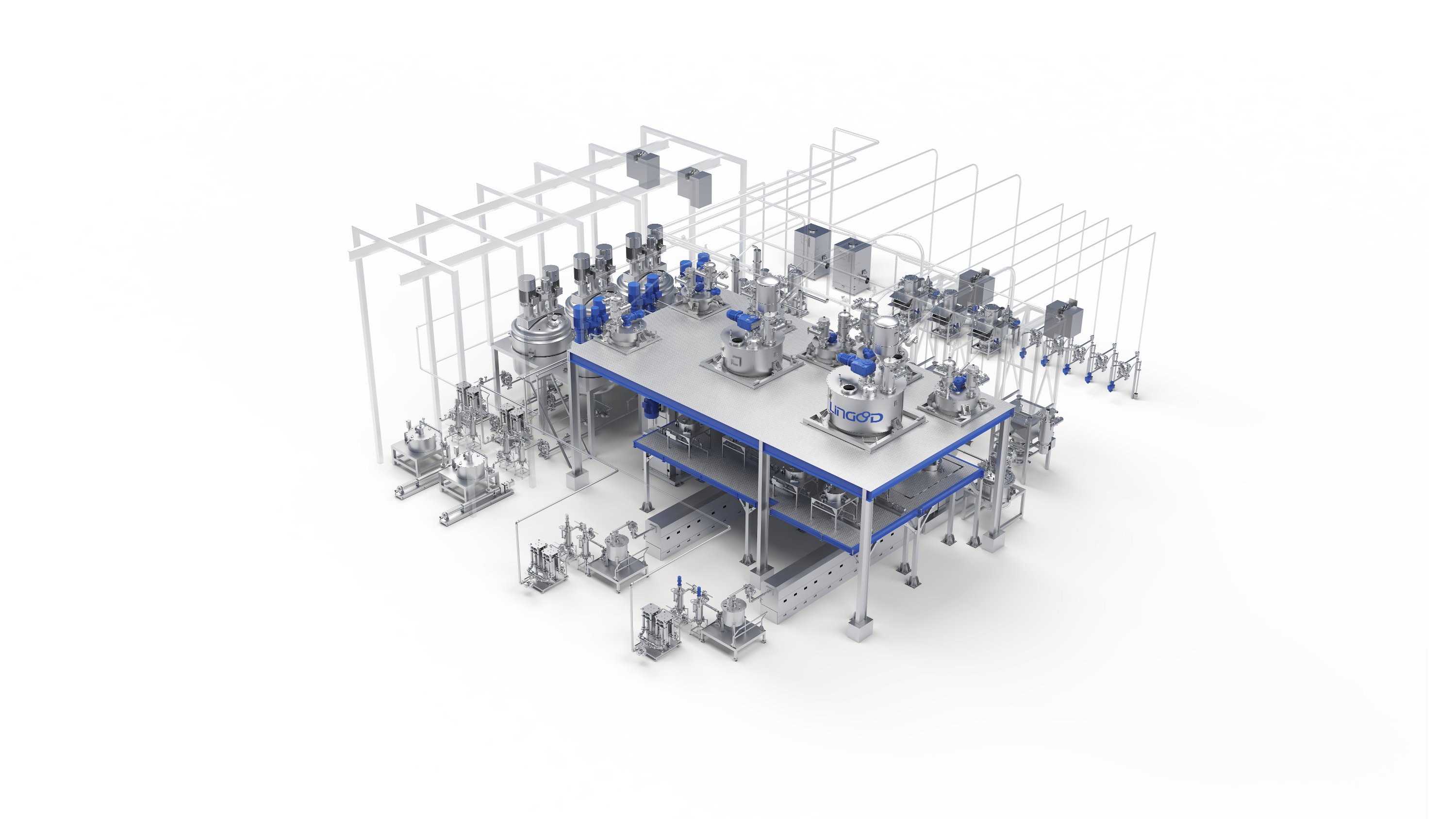
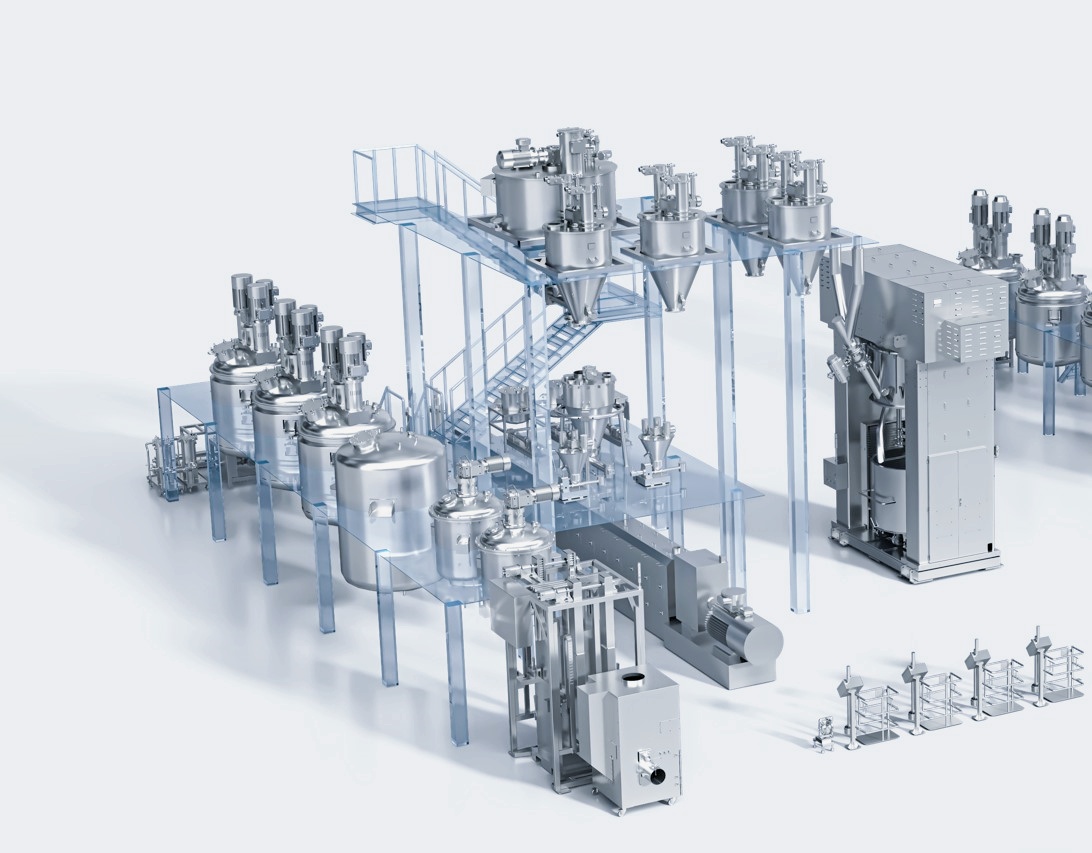
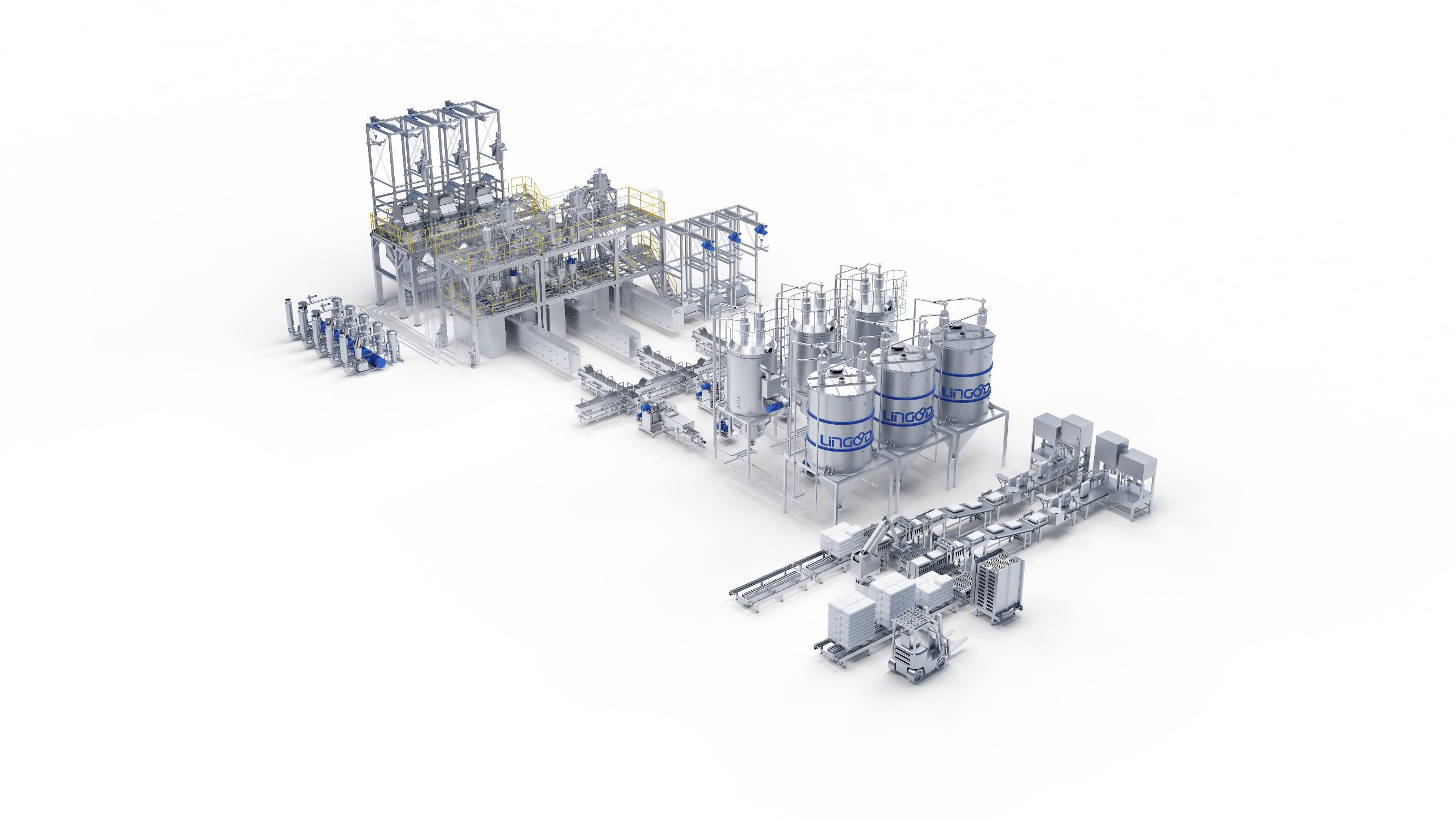
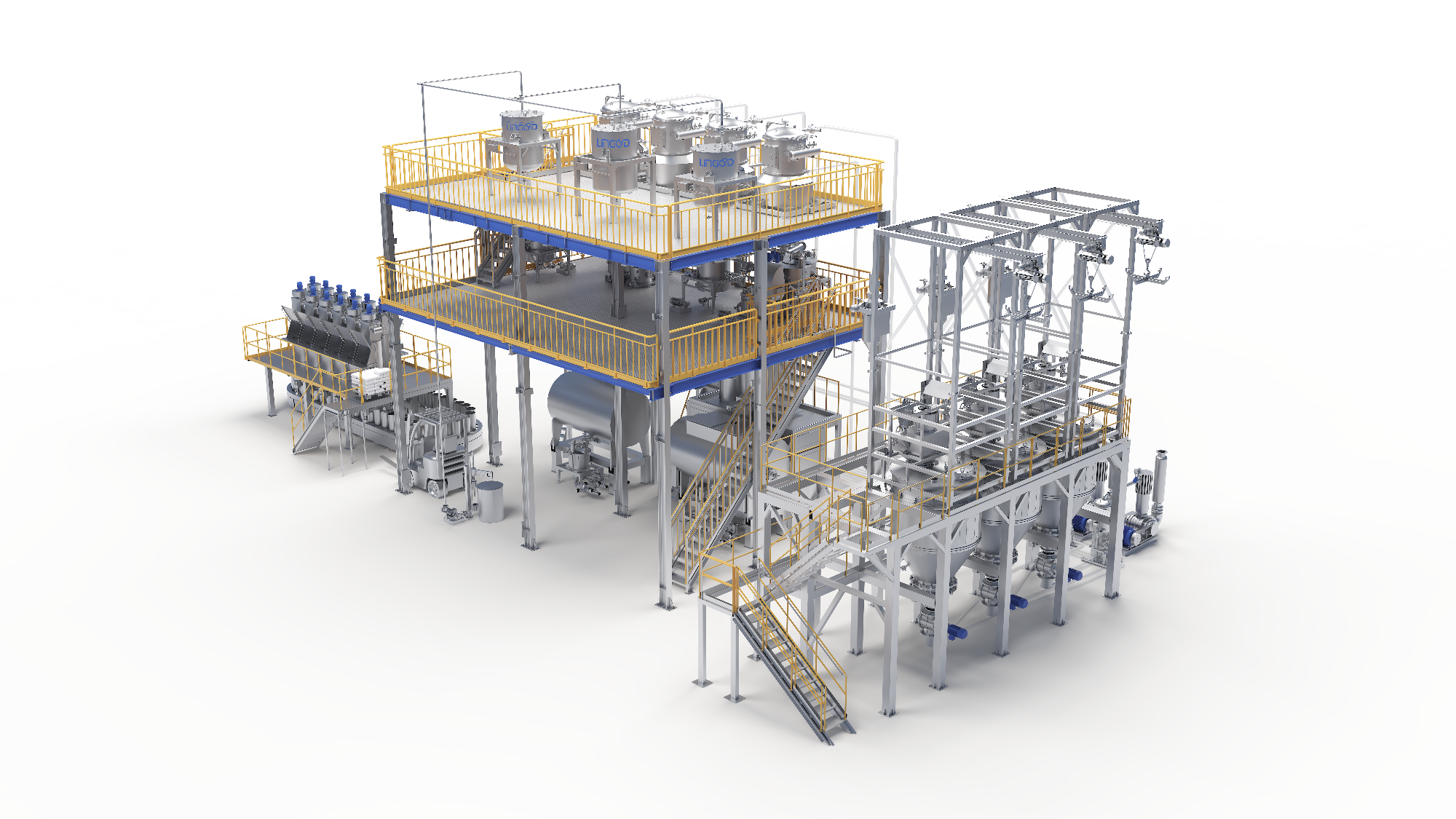
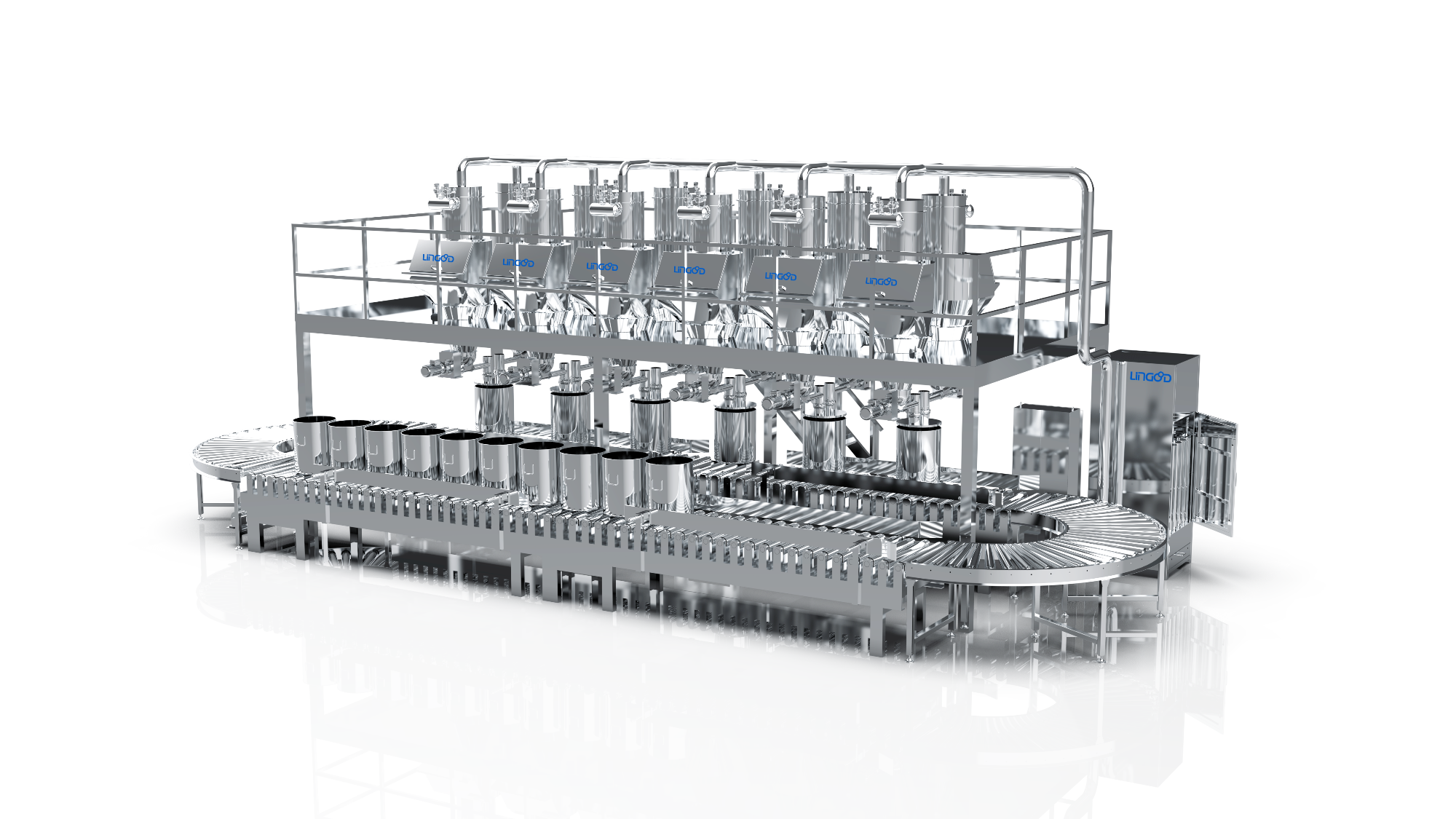
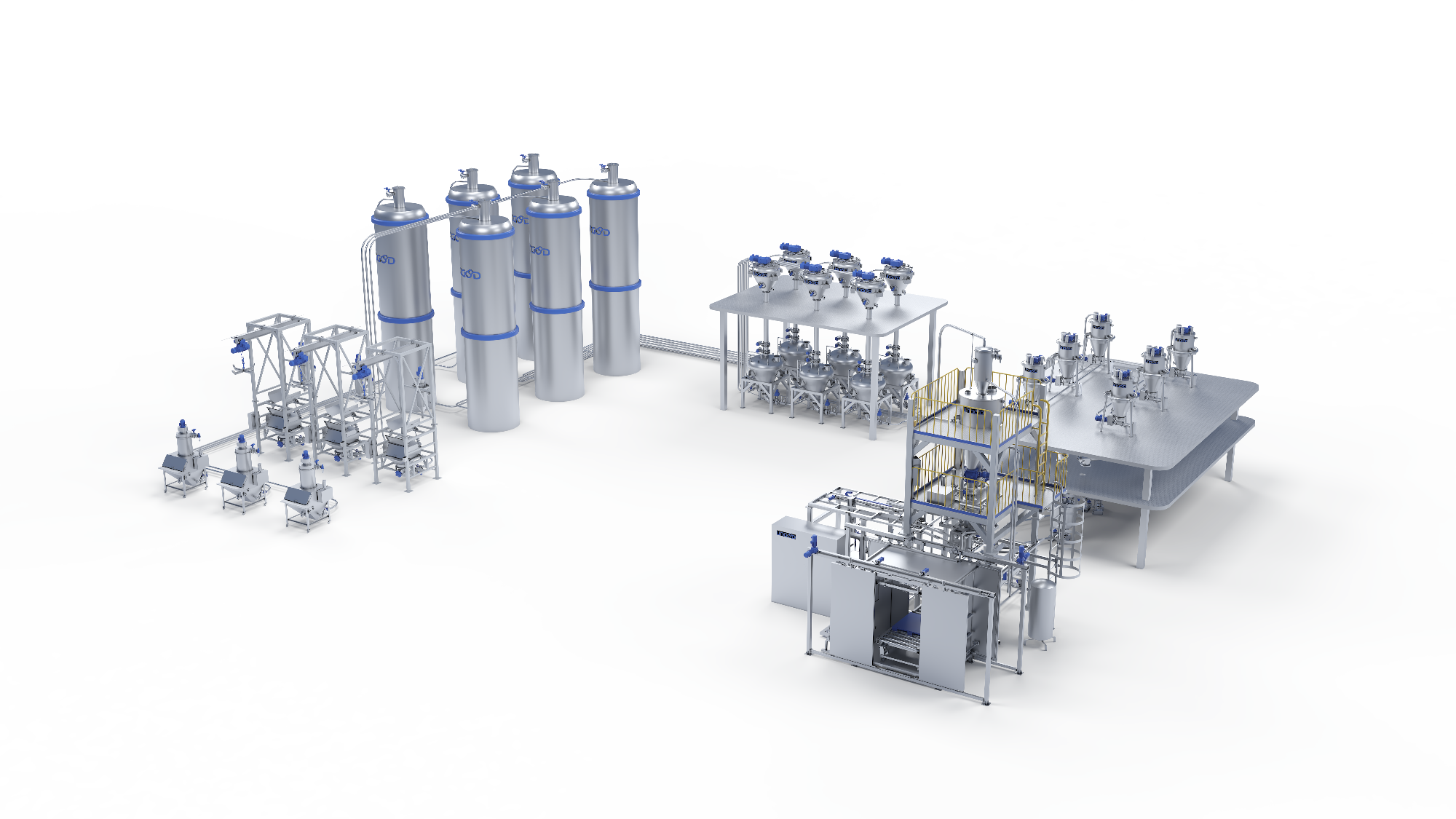
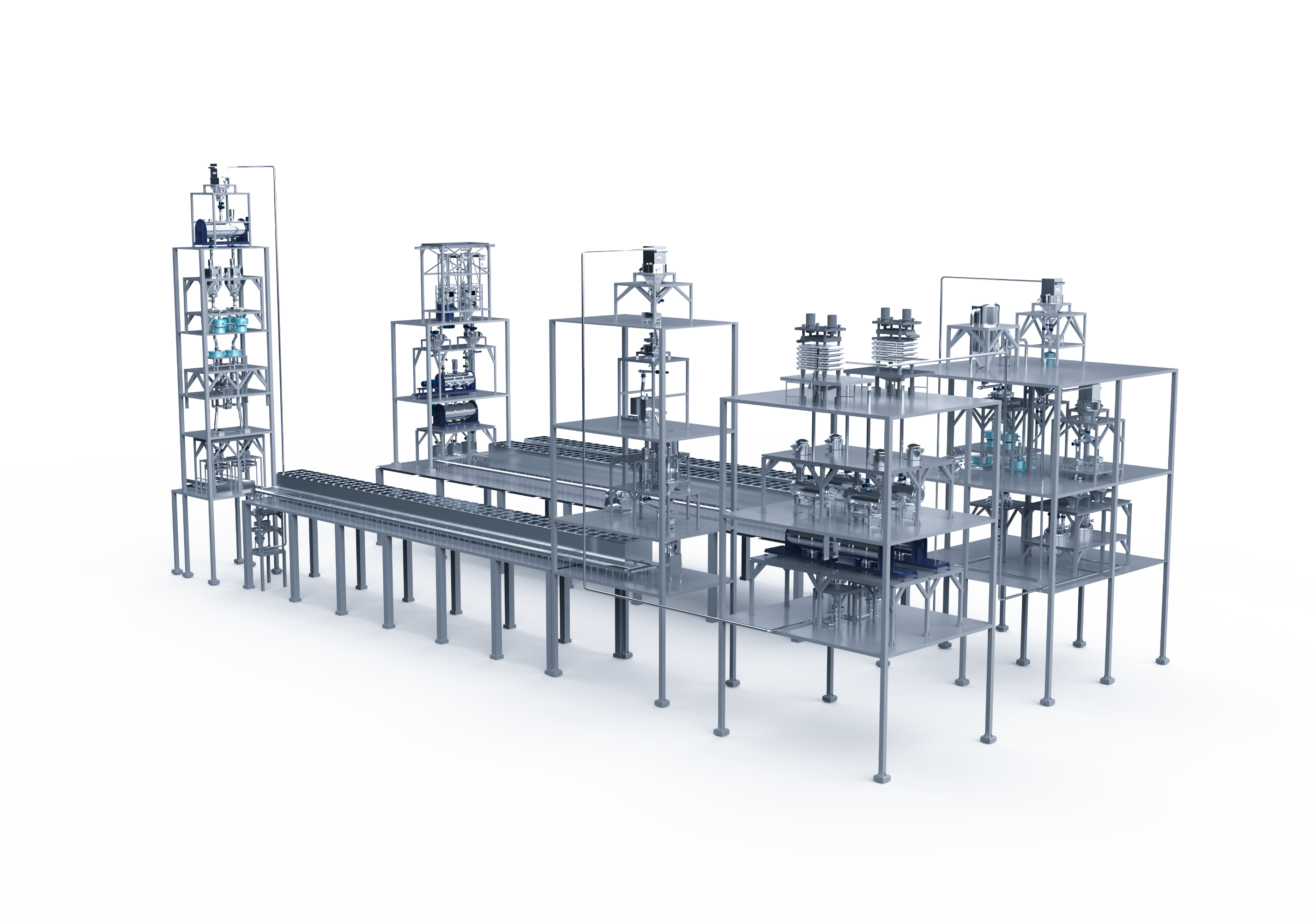
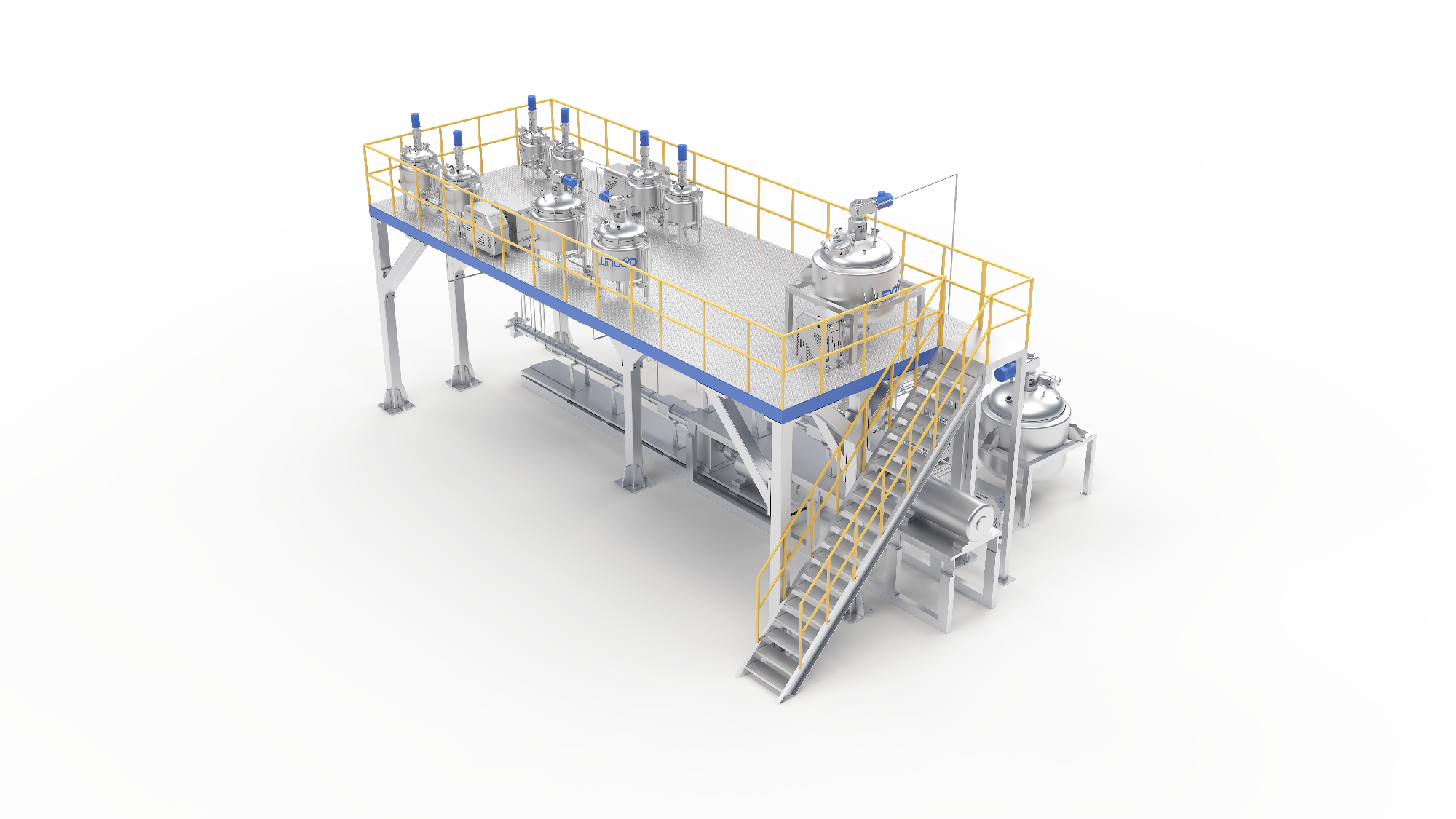
Lingood recently established partnerships with two leading domestic materials companies. The projects include an integrated facility with annual capacities of 12,000 tonnes of polyanionic sodium-ion battery precursors and 6,000 tonnes of cathode materials, as well as an EPC contract for a polyanionic sodium-ion battery cathode material pilot line. These partnerships further expand Lingood’s equipment applications in sodium-ion battery material production.
Starting with Material Characteristics
Improving Operational Stability
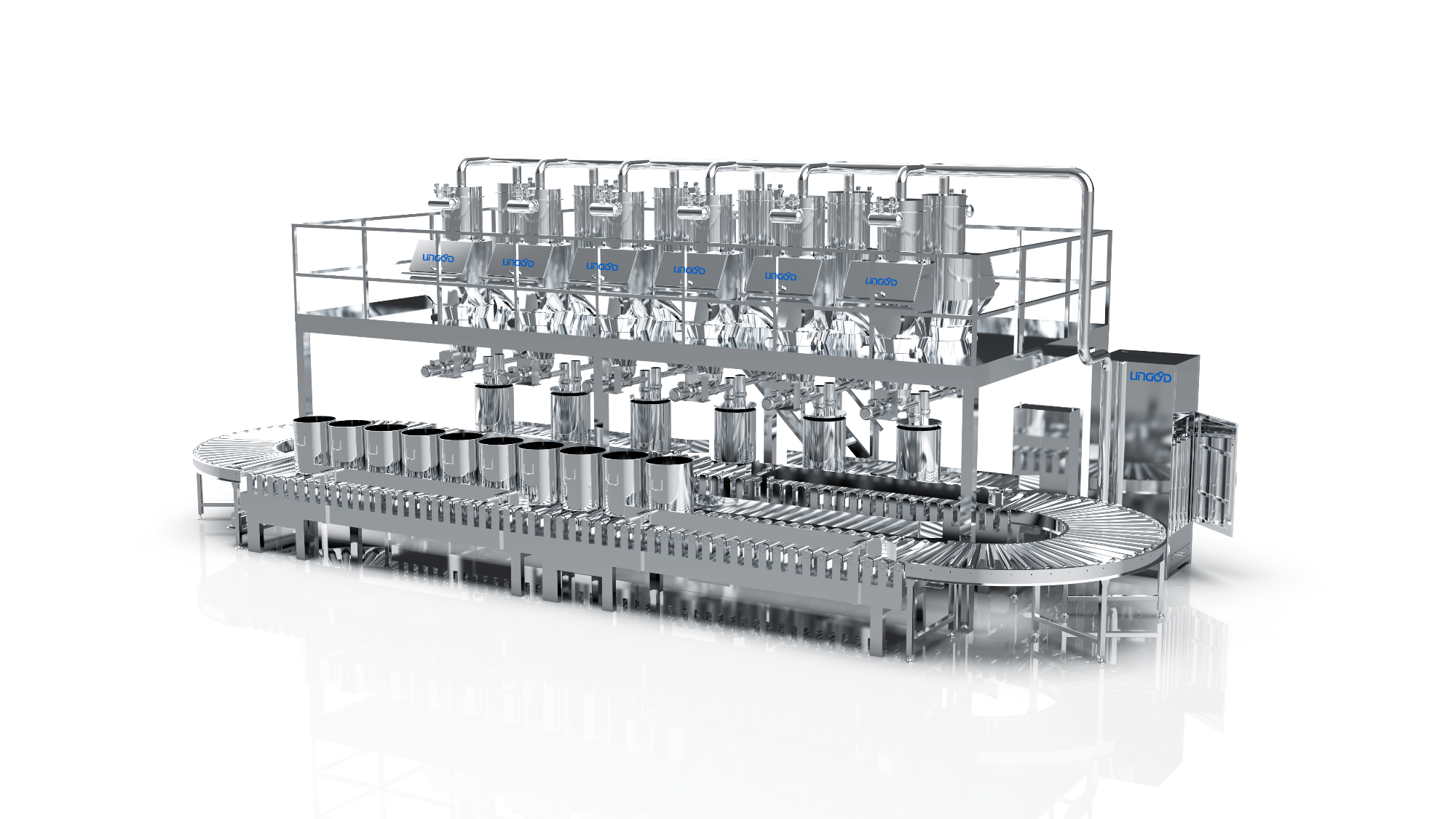
Some raw materials used in the sodium-ion battery material project exhibit poor flowability and a tendency to adhere to vessel walls and form bridges. Rather than applying standard equipment directly, Lingood customizes the entire system around the actual conditions of material storage, discharge, and conveying.
The storage and discharge systems prioritize smooth material flow and extended wear life, preventing bridging, wall buildup, and discharge restrictions.
The conveying system is specifically optimized to address material accumulation, blockages, and fluctuations in conveying rates. Structural improvements, flow-assistance components, and pressure control help maintain continuous, stable material transfer.
Balancing Material Protection and Operating Costs
Matching Every Configuration to Actual Operating Conditions
To meet the project’s moisture protection requirements, Lingood develops silo protection and pressure control solutions based on material characteristics and site conditions, protecting raw materials against moisture uptake during storage and conveying.
To manage operating energy consumption, adjustable drives and start–stop control logic are configured according to actual feeding requirements. Equipment output follows the production line’s operating rhythm, reducing idle running and unnecessary power consumption.
Dust collection is integrated into the overall solution, with coordinated dust control across feeding, conveying, and receiving to address both material loss and energy consumption.
The system’s structures, drives, and auxiliary equipment are designed together to balance material protection, equipment stability, and long-term operating costs.
Designing Equipment as an Integrated Production Line
Connecting Critical Process Stages

Polyanionic sodium-ion battery materials and lithium iron phosphate share similarities in certain production stages. However, differences in raw material composition, sintering temperatures, and processing times require equipment and systems to be selected and configured for the specific process.
Following each customer’s process route, Lingood coordinates throughput, buffer capacity, material transfer interfaces, and operating cycles across all stages. This integrated approach aligns upstream and downstream capacities, standardizes equipment interfaces, and keeps material changeover procedures controlled.






 Company Profile
 Development History
 Manufacturing Facilities
 Credit
 Partners
 Product Center
 System Center


 Service Innovation
 Technological innovations
 Company News
 Exhibition Info
 Lingood Technology
 Customer Cases
 Multimedia Downloads
 Global Network
 Service Contacts
 Join Us
 Investor Contact
 General Information
 Company Announcement